
What Makes a Good Reference Photo for a Portrait Painting?

Whenever I receive a portrait commission, the first thing I need to assess is the reference photo.
Aside from photographers who naturally understand what makes a good shot, most people need guidance on choosing the best quality images for a painting. Filtering out unsuitable photos such as those that are blurry, overexposed, severely dark, or taken from awkward angles is an essential step in helping clients select the right ones. Surprisingly, many people believe an artist only needs a quick glance at a photo to paint entirely from memory; this misconception shows just how unfamiliar the general public can be with the actual process of traditional portraiture.
To help you choose the ideal photo for your painting, here are the key criteria to keep in mind.
1. Start with the person, not the photograph

The best photograph isn't necessarily the most polished, professionally shot, or technically flawless image. It is the one that best represents the person you want to portray.
When selecting a photograph, ask yourself:
Expression: Does it capture their natural character?
Pose: Does the angle feel natural and flattering, without looking forced?
Lighting: Can you clearly see the structure of their face?
Personal connection: Does the photograph remind you of the person as you truly know them?
A slightly imperfect photo with a genuine expression is often a far better starting point than a heavily edited portrait that looks beautiful but doesn't feel like the subject.
2. Good lighting and visible facial structure

Soft, directional light reveals the planes of the forehead, nose, cheeks, and jaw, helping the artist understand form and shadow. Harsh lighting can obscure features or create distracting, unflattering shadows that don't reflect the subject well.
Lighting is crucial because a portrait is not simply a collection of individual facial features. The artist must interpret the three-dimensional structure of the head through light and shade. Ideally, choose a photograph with enough tonal information to distinguish highlights from shadow areas. Soft window light or gentle directional daylight usually works best.
Avoid photographs where:
The face is heavily washed out (overexposed) or lost in shadow.
Strong overhead lighting creates harsh, unflattering eye or nose shadows.
Filters smooth out the skin and erase natural facial contours.
The face is blurry or degraded by digital compression.
Challenging lighting isn't automatically unusable, an experienced artist can often interpret complex lighting creatively.
3. Choose a clear facial angle

Different angles communicate different aspects of a person's character and appearance:
Front view: Great for a direct, formal portrait and for understanding facial symmetry.
Three-quarter view: Adds a strong sense of depth and dimension while keeping both eyes clearly visible.
Side profile: Highlights the distinct silhouette of the forehead, nose, lips, and chin.
There is no single "correct" angle; the best choice depends on the desired composition, the subject's personality, and the artistic approach. For oil portrait commissions, I always encourage clients to share photos from a few different angles rather than relying on just one.
4. Provide at least five photographs
A single photograph only captures one specific moment under one set of lighting conditions. Additional photos give the artist a far more complete understanding of the subject's true likeness.
In my commission process, I ask clients for a minimum of five photographs:

Photo 1 — Front view: Helps establish overall facial proportions, eye spacing, and feature placement.

Photo 2 — Three-quarter view: Shows how the features relate to one another in space and clarifies the shape of the nose, cheeks, and jawline.

Photo 3 — Alternative angle: Provides extra clarity on head shape, profile, and distinctive traits.

Photo 4 — Natural expression: Helps the artist capture the person's genuine smile, characteristic eye expression, and personality.

Photo 5 — Additional reference: Can clarify details like hair texture, clothing, posture, or true skin tone.
These five images don't all need to be painted equally. One primary photo can serve as the main posture and expression, while the others help resolve details that are unclear or hidden in the main image.
Tip: If the commission involves multiple people, try to provide multiple reference photos for each individual.
5. Prioritise image quality and resolution
A photograph might look crisp on a small phone screen, but detail can rapidly vanish when zoomed in or enlarged to canvas size.
Whenever possible, provide original digital photographs rather than screenshots, compressed messaging-app photos, or low-resolution downloads from social media.
Look for images with:
Crisp details in the eyes, nose, lips, and hair.
Clear information in both the light and shadow areas.
Natural skin texture without smoothing filters.
High enough resolution to inspect facial details at the size of the planned painting.
This is especially critical for larger portraits, where the artist needs to understand subtle structural details before translating them into bold brushstrokes.
6. Avoid choosing photos based only on "beautification"

While well-presented photos are great, heavily retouched images often erase the exact qualities that make a person recognizable. Over-smoothed skin, digitally altered eyes, reshaped features, and artificial skin tones make it difficult for the artist to read the subject's true anatomy.
A painted portrait doesn't need to exaggerate every minor flaw, but it should preserve the unique traits that make the subject who they are. The goal isn't necessarily to make someone look younger or conventionally perfect—it is to create a compelling painting that captures their true likeness and character through artistic interpretation.
7. Consider background, clothing, and composition
The reference photograph should support the vision you have for the final artwork. Before settling on a photo, consider:
Background: Would a simple, muted background help the subject stand out, or is a meaningful setting important to the story?
Clothing: Does the outfit match the mood and tone you want for the portrait?
Space: Is there enough room around the head and shoulders to allow for a comfortable composition?
Keep in mind that an artist can often adjust or simplify these elements. The reference photo is a foundation, not a rigid rulebook.
What if you don't have one "perfect" photo?
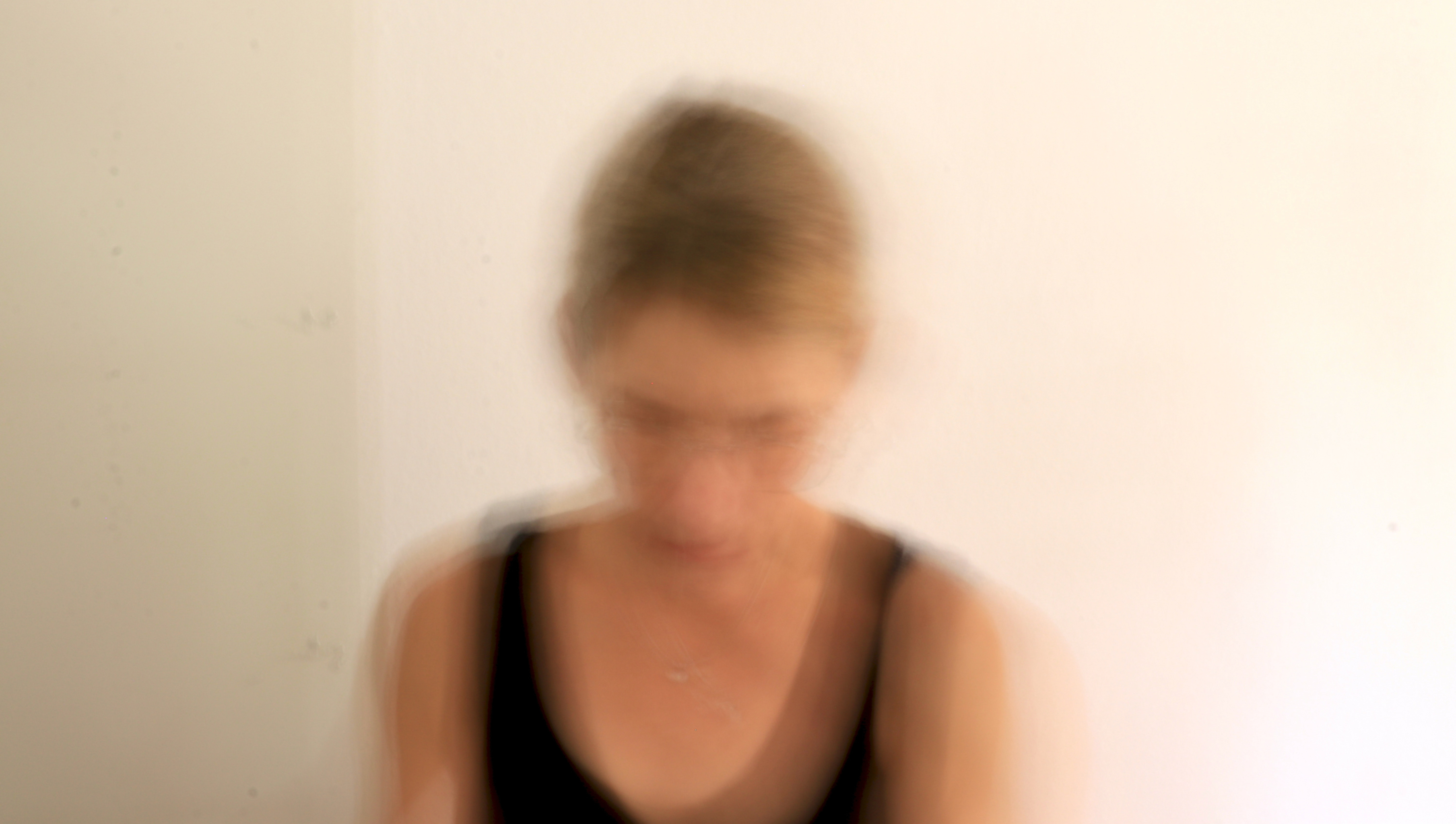
You don't need a single photograph that hits every mark. Perhaps one image captures their expression perfectly, another shows their hairstyle clearly, and a third has superior lighting. Sharing several reference images allows the artist to pull the best elements from each.
For memorial portraits or photos of loved ones who are no longer with us, older or lower-quality images may be all that exist. In these cases, share whatever photographs you have even across different periods of their life, and discuss any limitations openly with your artist. Having an upfront conversation about reference quality ensures realistic expectations and better results.
Conclusion
Because artists often work with subjects they have never met in person, reference photographs serve as the essential foundation for a custom portrait commission.
Taking the time to gather thoughtful reference photos sets the stage for a painting that feels truly alive. Providing a few different photos helps a painter create a successful portrait through careful observation, structural understanding, and artistic interpretation. And if you're ever uncertain about which photo will work best—don't worry! A good artist will always be happy to help guide your choice.


Comments